What Is Student Orientation Week and Why Is It Important? (2027 Guide)
Introduction
Moving to a new country for university is exciting, but the first few days can also feel confusing.
You may have questions about your campus, classes, accommodation, transportation, student services, and even how to meet new people.
This is where Student Orientation Week becomes important.
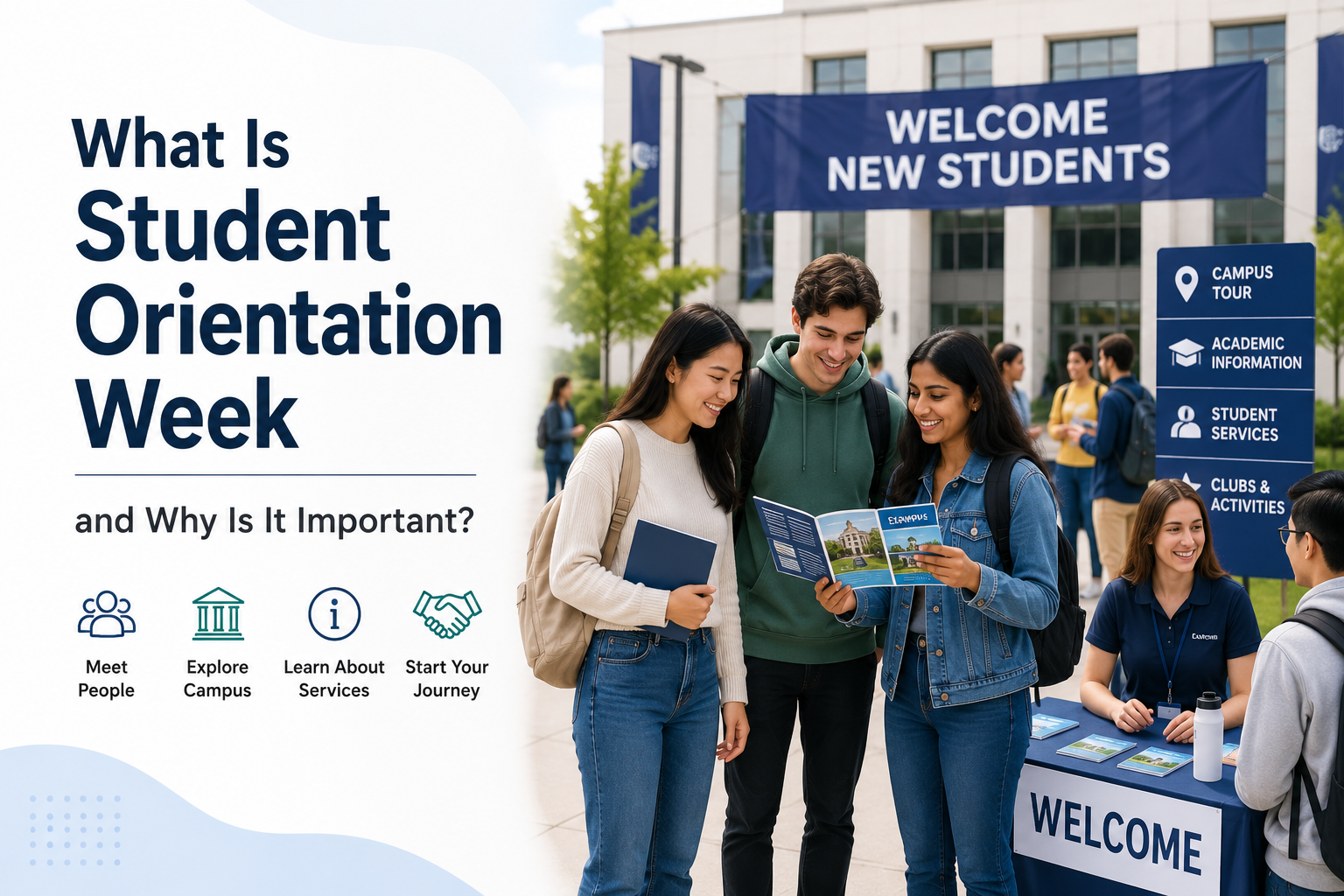
Orientation Week is usually organized before or at the beginning of the academic semester to help new students understand their university, meet other students, and settle into their new environment.
For international students, it can be especially valuable because it provides an introduction to both university life and life in a new country.
What Is Student Orientation Week?
Student Orientation Week is a series of events, activities, and information sessions organized by a university for new students.
The exact format varies between universities, but orientation may include:
- Campus tours
- Welcome sessions
- Academic briefings
- Student society introductions
- Library tours
- IT and student portal setup
- Accommodation information
- Career service introductions
- Social activities
- International student support sessions
Some universities conduct orientation over several days, while others may organize activities over one or two weeks.
Why Is Orientation Week Important?
Orientation Week is more than just a welcome event.
It helps students understand how the university works before regular classes become busy.
For international students, it can help with:
- Adjusting to a new environment
- Understanding university rules
- Meeting classmates
- Finding important facilities
- Learning about support services
- Building confidence
A good orientation experience can make the transition to university much easier.
What Happens During Orientation Week?
1. University Welcome Session
Most universities begin with an official welcome session.
University representatives may introduce:
- The institution
- Academic departments
- Student services
- University policies
- Important academic dates
This is a good opportunity to understand what is expected from you as a student.
2. Campus Tour
You may be taken around important areas of the university.
These can include:
- Lecture halls
- Libraries
- Laboratories
- Student centres
- Cafeterias
- Sports facilities
- Computer rooms
- Administrative offices
Knowing where these facilities are before classes start can save you a lot of time.
3. Academic Orientation
Academic orientation explains how your program works.
You may learn about:
- Course modules
- Timetables
- Credit requirements
- Attendance policies
- Examination rules
- Assignment submission
- Academic support
Pay close attention to this session because academic systems can differ significantly between countries.
4. Student ID and University Accounts
Universities may help students activate important accounts and services.
These can include:
- Student ID cards
- University email
- Student portals
- Library accounts
- Wi-Fi access
- Learning management systems
Make sure everything works before your classes begin.
Orientation for International Students
International students may receive additional sessions covering topics such as:
- Immigration and student status
- Health insurance
- Banking
- Public transportation
- Accommodation
- Local regulations
- Emergency support
- Part-time work information
These sessions can be extremely useful when you're unfamiliar with the country.
Meeting New People
One of the biggest advantages of Orientation Week is the opportunity to meet other students.
You can meet:
- Classmates
- International students
- Senior students
- Student ambassadors
- Faculty members
- University staff
Don't hesitate to introduce yourself.
Many students are in exactly the same situation and are also looking for new friends.
Student Clubs and Societies
Universities often introduce their student clubs and societies during orientation.
You may find groups related to:
- Sports
- Technology
- Music
- Photography
- Entrepreneurship
- Volunteering
- Cultural activities
- Academic interests
Joining a society is a great way to meet people and develop skills outside the classroom.
Career and Support Services
Orientation Week may also introduce students to important university services.
These can include:
- Career counselling
- Internship support
- Mental wellbeing services
- Academic counselling
- Disability support
- Language support
- International student offices
Don't wait until you have a serious problem to learn where these services are located.
How International Students Can Prepare
Before arriving for Orientation Week, prepare the basics.
Make sure you have:
- Your university admission documents
- Passport and visa documents
- Accommodation details
- University login credentials
- Important contact information
- A working phone connection
- Basic knowledge of the campus location
It is also useful to download the university's official app if one is available.
Questions You Should Ask During Orientation
Don't be afraid to ask questions.
Useful questions include:
- Where can I get academic support?
- How do I contact my course coordinator?
- Where is the international student office?
- How do I access the library?
- How do I register for electives?
- Where can I find internship support?
- What are the important academic deadlines?
- What should I do if I miss a class or examination?
Asking questions early can prevent problems later.
Common Mistakes to Avoid
Skipping Orientation
Even if attendance is optional, attending important sessions can save you from confusion later.
Only Attending Social Events
Social activities are useful, but don't ignore academic and administrative sessions.
Not Asking Questions
If something is unclear, ask university staff or student ambassadors.
Trying to Do Everything
Orientation Week can be busy.
Prioritize important academic and administrative sessions and give yourself time to rest.
Staying Only With Students From Your Own Country
Connecting with people from your own country can be comforting, but try to meet students from different backgrounds too.
This can improve your communication skills and international network.
Tips to Make the Most of Orientation Week
- Attend important sessions.
- Explore the campus.
- Save important university contacts.
- Join at least one student club.
- Introduce yourself to classmates.
- Learn how the student portal works.
- Understand academic requirements.
- Ask questions whenever you are unsure.
- Take notes about important deadlines.
Orientation Week is your opportunity to start university with confidence.
The Real Truth
Student Orientation Week may seem like just a series of welcome events, but it plays an important role in helping new students transition into university life.
For international students, it can be even more valuable because you are not only adapting to a new university but also to a new country and culture.
Use Orientation Week to understand your university, build relationships, discover support services, and prepare yourself for academic life.
The more you participate during the first week, the more comfortable you are likely to feel during the rest of your university journey.
Frequently Asked Questions (FAQs)
1. What is Student Orientation Week?
Student Orientation Week is a series of university events designed to help new students understand their campus, academic system, student services, and university life.
2. Is Orientation Week compulsory?
It depends on the university. Some sessions may be mandatory, while others may be optional.
3. Do international students need to attend Orientation Week?
Yes, it is highly recommended. International students can learn about academic systems, support services, campus facilities, and important practical information.
4. Can I make friends during Orientation Week?
Yes. Orientation activities are one of the easiest ways to meet classmates, international students, student ambassadors, and people with similar interests.
5. What should I bring to Orientation Week?
Bring your student documents, identification, university login details, a notebook or phone for taking notes, and any documents requested by the university.
6. What if I miss Orientation Week?
Contact your university's student or international office. They may provide orientation materials, recordings, alternative sessions, or guidance for students who could not attend.
Verified by Edulx Germany Specialists
Have questions about your profile or APS verification? Book a free 1-on-1 session with our Pune counsellors.